
Product Description
High Quality Motorcycle Conveyor Roller Chain Stainless Steel Professional China Factory Supply (ANSI, BS, DIN, JIS Standard)
Product Description
1. Material: Stainless steel / Alloy steel / Made to order
2. Surface Treatment: Zinc-Plated / Nickel-Plated / Shot Peening / Blackening
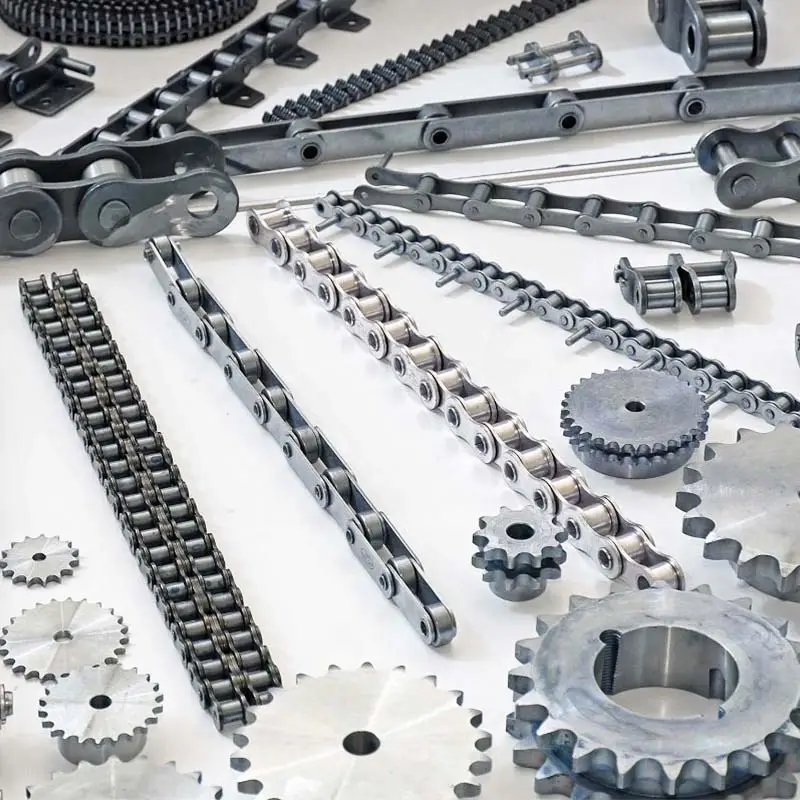
3. Chain Type: Roller chains, Drive chains,Conveyor Chains, Hollow Pin Chains,Welded chains, Steel Pin Chains, Palm oil chains,Sugar Mill Chains.ect.
4. Application: Chains is a very important industry parts, The many industry will be use chain. For examples Sugar mill ,Steel mill,Cement mill, Palm oil mill and more. thus the chain is industrial family main member.
5. “PLW” Company Purpose : Powering Your Business Worldswide. Driving the word and future.
| Product name | High Quality Motorcycle Conveyor Roller Chain Stainless Steel Professional China Factory Supply (ANSI, BS, DIN, JIS Standard) |
| Chain Type | 1. Driving Chain (roller chain, Heavy Duty Cranked-Link,Bushing Chains etc) |
| 2. Conveyor Chain( Double Pitch chains,,MT & MC Series etc) | |
| 3. Hollow Pin Chain | |
| 4. Palm Oil Chain | |
| 5. Sugar Mill Chain | |
| 6. Welded Steel Chain | |
| 7. Rubber Glove Chain | |
| Surface Treatment | Shot peening, Blackening, Oxygenation, Polishing, Zinc-plated, Nickel-plated, Anodized, etc. |
| Characteristic | Fire Resistant, Oil Resistant, Heat Resistant |
| Design criterion | ISO DIN ANSI & Customer’s Drawing |
| Size | Customer’s Drawing & ISO Standard |
| Package | Wooden Case / Container and pallet, or made-to-order |
| Certificate | ISO9001: 2008 |
| Advantage | First quality, Best Service, Competitive price, Fast delivery |
| Delivery Time | 20 days for samples. 45 days for official order. |
View more products,please click here…
Company Profile
/* January 22, 2571 19:08:37 */!function(){function s(e,r){var a,o={};try{e&&e.split(“,”).forEach(function(e,t){e&&(a=e.match(/(.*?):(.*)$/))&&1
| Material: | Steel or Stainless Steel etc |
|---|---|
| Structure: | Chain |
| Surface Treatment: | Shot Peening, Blackening, Oxygenation, Polishing, |
| Chain Size: | All of The Chain |
| Feature: | Fire Resistant, Heat Resistant |
| Transport Package: | Plastic Bag+Box+Plywood Case |
| Samples: |
US$ 0/Meter
1 Meter(Min.Order) | |
|---|
| Customization: |
Available
| Customized Request |
|---|
How do roller chains handle shock and impact loads?
Roller chains are designed to handle shock and impact loads, but their ability to withstand these loads depends on several factors:
1. Chain Design: Roller chains are constructed with durable components, including rollers, pins, and plates, which are designed to handle the forces generated by shock and impact loads. The geometry and dimensions of these components contribute to the chain’s overall strength and ability to resist deformation.
2. Material Selection: High-quality materials are used in the manufacturing of roller chains to enhance their strength and durability. Common materials include carbon steel, stainless steel, or specialty alloys. The material selection depends on the specific application requirements and the level of shock and impact loads anticipated.
3. Chain Tension: Proper chain tension is important for handling shock and impact loads. Adequate tension helps maintain the engagement of the chain with the sprockets, preventing slippage and reducing the likelihood of damage due to sudden forces. However, excessive tension can also contribute to increased stress and potential failure, so it’s important to follow the manufacturer’s guidelines for chain tension.
4. Lubrication: Proper lubrication plays a crucial role in reducing friction and wear, which can be accelerated by shock and impact loads. Lubricants help minimize the generation of heat and provide a protective film between the chain components, reducing wear and extending the chain’s lifespan. Regular lubrication and maintenance are essential for optimal performance under shock and impact conditions.
5. Chain Inspection and Maintenance: Regular inspection and maintenance are necessary to identify any signs of wear, damage, or elongation in the roller chain. Chains should be inspected for bent or deformed links, worn-out rollers or pins, and excessive elongation. Any worn or damaged components should be replaced promptly to prevent further deterioration and ensure the chain’s ability to handle shock and impact loads.
It’s important to note that while roller chains are designed to handle shock and impact loads, excessive or repetitive shock loads can shorten their lifespan. Therefore, it’s recommended to assess the specific application requirements and consult with the manufacturer to ensure the appropriate chain design and maintenance practices are followed for optimal performance and longevity under shock and impact conditions.
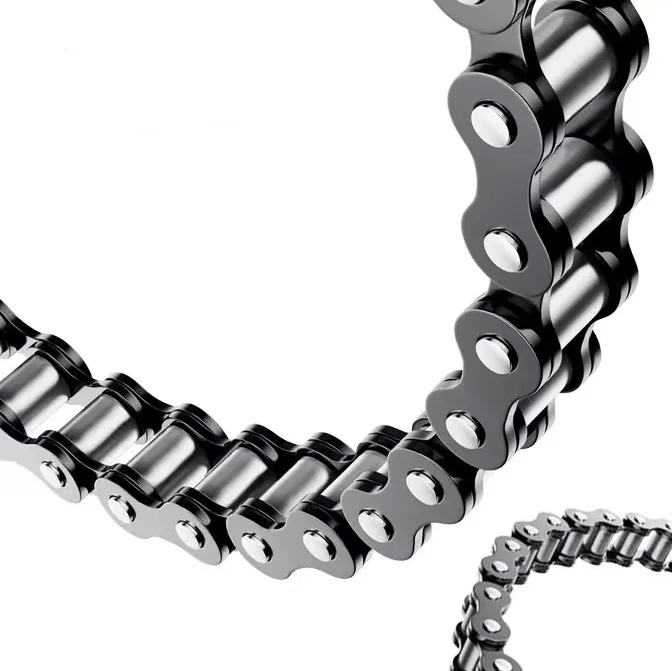
What are the advantages of using a roller chain over a timing belt?
Roller chains and timing belts are both commonly used for power transmission in various applications. Here’s a detailed answer to the question:
Advantages of using a roller chain:
1. Higher Load Capacity: Roller chains are capable of handling higher loads compared to timing belts. They are designed to transmit power in heavy-duty applications where high torque and shock loads are present.
2. Flexibility in Power Transmission: Roller chains are more versatile in terms of power transmission. They can transmit power over longer distances and are suitable for applications that require multiple shafts and complex power transmission routes.
3. Tolerance to Misalignment: Roller chains can tolerate more misalignment between the driving and driven sprockets compared to timing belts. They can accommodate slight angular misalignments and axial movements, making them suitable for applications where alignment precision is challenging.
4. Resistance to Harsh Environments: Roller chains are generally more resistant to contaminants, such as dirt, dust, and debris, compared to timing belts. They are commonly used in applications where exposure to harsh environments, such as high temperatures, chemicals, or abrasive particles, is expected.
5. Easy Maintenance and Replacement: Roller chains are relatively easy to maintain and replace. Regular lubrication, tension adjustment, and periodic inspection can help prolong their lifespan. In case of wear or damage, individual chain links can be replaced without the need for replacing the entire chain, making maintenance more cost-effective.
It’s important to note that the choice between a roller chain and a timing belt depends on various factors, including the specific application requirements, load conditions, speed, accuracy, and environmental considerations. Consulting with experts and considering the specific needs of the application can help determine the most suitable power transmission solution.
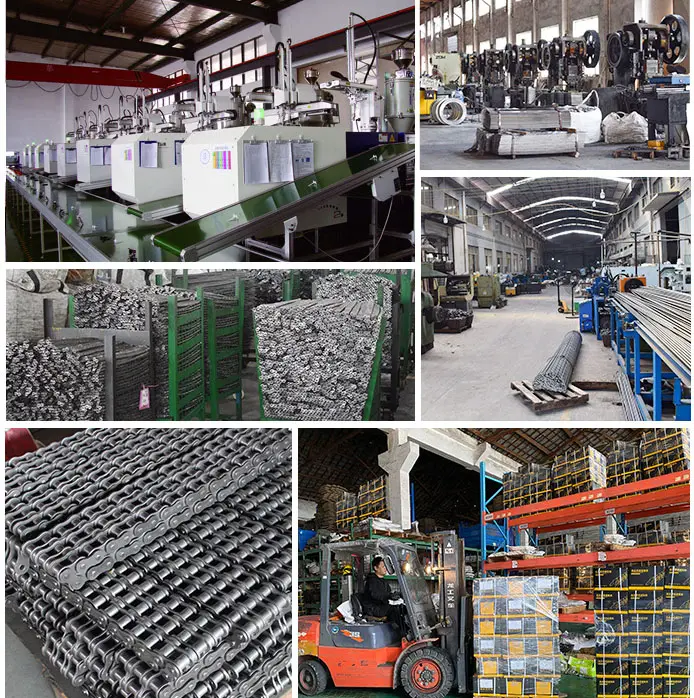
What are the different types of roller chains available?
Roller chains come in various types and configurations to suit different applications and requirements. Here’s a detailed answer to the question:
1. Standard Roller Chain: This is the most common type of roller chain and is widely used in general-purpose applications. It consists of inner and outer plates, rollers, and pins.
2. Double Pitch Roller Chain: Double pitch roller chains have twice the pitch length of standard roller chains. They are commonly used in applications where slower speeds and lighter loads are present, such as conveyor systems.
3. Heavy-Duty Roller Chain: Heavy-duty roller chains are designed to withstand higher loads and more demanding operating conditions. They feature thicker plates, larger rollers, and stronger pins, offering increased strength and durability.
4. Stainless Steel Roller Chain: Stainless steel roller chains are made from corrosion-resistant stainless steel material. They are suitable for applications where resistance to moisture, chemicals, and harsh environments is required, such as food processing, pharmaceutical, and marine industries.
5. Nickel-Plated Roller Chain: Nickel-plated roller chains have a layer of nickel plating on the outer plates, providing additional corrosion resistance. They are often used in applications where protection against rust and wear is essential.
6. O-Ring Roller Chain: O-ring roller chains have O-ring seals between the outer plates and rollers. The O-rings help retain lubrication and prevent contamination, resulting in reduced maintenance requirements and extended chain life.
7. Lube-Free Roller Chain: Lube-free roller chains incorporate self-lubricating bushings or rollers that eliminate the need for external lubrication. They are suitable for applications where maintenance-free operation and clean environments are required.
8. Attachment Roller Chain: Attachment roller chains have special attachments on the outer plates, allowing for the attachment of various accessories or components. They are commonly used in applications such as conveying, lifting, or indexing systems.
9. Silent Chain: Silent chains, also known as inverted tooth chains, have tooth-shaped links that engage with the sprockets. They offer smooth and quiet operation and are often used in applications where noise reduction is critical, such as timing drives.
10. Leaf Chain: Leaf chains consist of interlocking links with large flat plates connected by pins. They are commonly used in applications requiring high strength and durability, such as forklifts and lifting devices.
Each type of roller chain has its own unique features and advantages. The selection of the appropriate type depends on factors such as load capacity, speed, environment, and specific application requirements.


editor by CX 2024-04-26