
Product Description
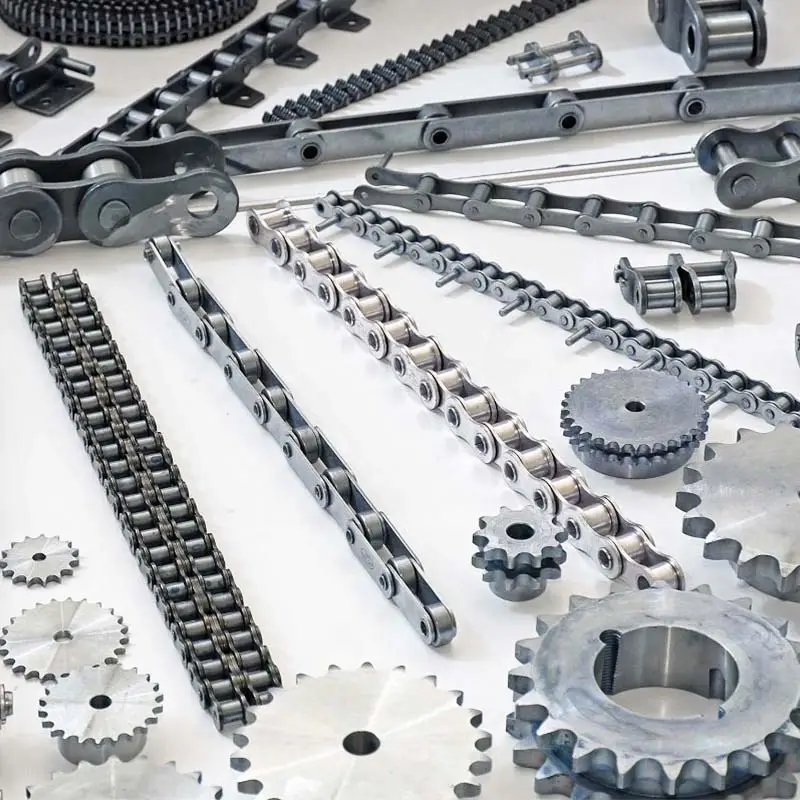
XIHU (WEST LAKE) DIS.HUA Chain Group is the most professional manufacturer of power transmission in China, manufacturing roller chains, industry sprockets, motorcycle sprockets, casting sprockets, different type of couplings, pulleys, taper bushes, locking devices, gears, shafts, CNC precision parts and so on. We have passed ISO9001, ISO14001, TS16949 such quality and enviroment certification
We adopt good quality raw material and strict with DIN, ANSI, JIS standard ect, We have professional quality conrol team, complet equipment, advanaced technology. In 1999, Xihu (West Lake) Dis.hua obtained ISO9001 Certificate of Quality Assurance System, besides, the company also devotes itselt o environmental protection, In2002, it also obtained ISO14001 Certificate of Environment Management System.
Short pitch precision roller chains (A series) 15-240 simlex to eightlex includ normal short pitch precisson roller chains and heavy duty series roller chains
Short pitch precision roller chains (B series) 04B-72B simlex to triplex includ normal short pitch precisson roller chains and heavy duty series roller chains
SHORT PITCH PRECISSION ROLLER CHAINS (A SERIES)
Material: Alloy Steel
Surface Treatment: Shot Peening / Blacking / Blueing
Main Application: Idustry machinery
| Product name | Duplex Short Pitch Precision Roller Chain (A series) Chain (DIN764) |
| Materials Available | 1. Stainless Steel: SS201, SS303, SS304, SS316, SS416, SS420 |
| 2. Steel:C45(K1045), C46(K1046),C20 | |
| 3. Brass:C36000 ( C26800), C37700 ( HPb59), C38500( HPb58), C27200(CuZn37), C28000(CuZn40) | |
| 4. Bronze: C51000, C52100, C54400, etc | |
| 5. Iron: 1213, 12L14,1215 | |
| 6. Aluminum: Al6061, Al6063 | |
| 7.OEM according to your request | |
| Surface Treatment | Annealing, natural anodization, heat treatment, polishing, nickel plating, chrome plating, znic plating,yellow passivation, gold passivation, satin, Black surface painted etc. |
| Products Available | sprockt chains, pulley, shafts(axles, spline shafts, dart shafts),gears (pinions, wheels gear rack) bearing, bearing seat, bushing, coupling, lock assembly etc. |
| Processing Method | CNC machining, punch,turning, milling, drilling, grinding, broaching, welding and assembly |
| QC : | Technicians self-check in production,final-check before package by professional Quality inspector |
| Size | Drawings |
| Package | Wooden Case/Container and pallet, or as per customized specifications |
| Certificate | ISO9001:2008 , ISO14001:2001,ISO/TS 16949:2009 |
| Advantage | Quality first Service superior , Advanced equipment,Experienced workers,Perfect testing equipment |
| Lead Time | 15-25days samples. 30-45days offcial order |
/* March 10, 2571 17:59:20 */!function(){function s(e,r){var a,o={};try{e&&e.split(“,”).forEach(function(e,t){e&&(a=e.match(/(.*?):(.*)$/))&&1
| Usage: | Transportation Chain |
|---|---|
| Material: | Alloy/Carbon Steel |
| Surface Treatment: | Polishing |
| Feature: | Heat Resistant |
| Chain Size: | 1/2"*3/32" |
| Structure: | Roller Chain |
| Customization: |
Available
| Customized Request |
|---|
How do roller chains handle shock and impact loads?
Roller chains are designed to handle shock and impact loads, but their ability to withstand these loads depends on several factors:
1. Chain Design: Roller chains are constructed with durable components, including rollers, pins, and plates, which are designed to handle the forces generated by shock and impact loads. The geometry and dimensions of these components contribute to the chain’s overall strength and ability to resist deformation.
2. Material Selection: High-quality materials are used in the manufacturing of roller chains to enhance their strength and durability. Common materials include carbon steel, stainless steel, or specialty alloys. The material selection depends on the specific application requirements and the level of shock and impact loads anticipated.
3. Chain Tension: Proper chain tension is important for handling shock and impact loads. Adequate tension helps maintain the engagement of the chain with the sprockets, preventing slippage and reducing the likelihood of damage due to sudden forces. However, excessive tension can also contribute to increased stress and potential failure, so it’s important to follow the manufacturer’s guidelines for chain tension.
4. Lubrication: Proper lubrication plays a crucial role in reducing friction and wear, which can be accelerated by shock and impact loads. Lubricants help minimize the generation of heat and provide a protective film between the chain components, reducing wear and extending the chain’s lifespan. Regular lubrication and maintenance are essential for optimal performance under shock and impact conditions.
5. Chain Inspection and Maintenance: Regular inspection and maintenance are necessary to identify any signs of wear, damage, or elongation in the roller chain. Chains should be inspected for bent or deformed links, worn-out rollers or pins, and excessive elongation. Any worn or damaged components should be replaced promptly to prevent further deterioration and ensure the chain’s ability to handle shock and impact loads.
It’s important to note that while roller chains are designed to handle shock and impact loads, excessive or repetitive shock loads can shorten their lifespan. Therefore, it’s recommended to assess the specific application requirements and consult with the manufacturer to ensure the appropriate chain design and maintenance practices are followed for optimal performance and longevity under shock and impact conditions.
Can roller chains be used for power transmission in industrial equipment?
Yes, roller chains are widely used for power transmission in various industrial equipment and machinery. Here’s a detailed answer to the question:
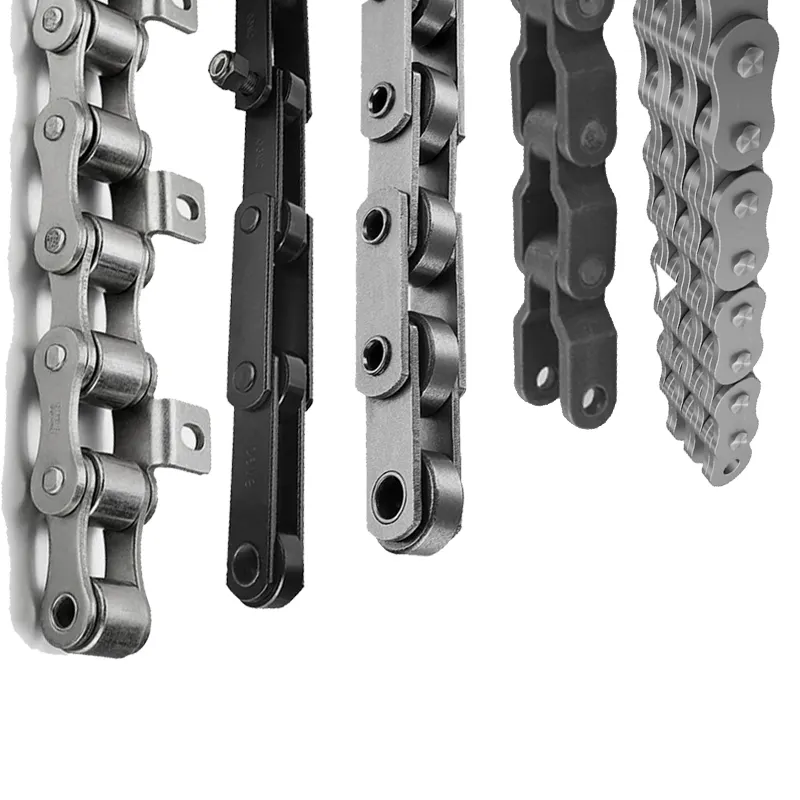
1. Versatility: Roller chains are known for their versatility and can be used in a wide range of industrial applications. They are commonly employed in machinery such as conveyors, agitators, mixers, hoists, elevators, packaging equipment, material handling systems, and many other types of industrial equipment.
2. Power Transmission: Roller chains excel in transmitting power from one rotating shaft to another. They can efficiently transfer high torque and handle heavy loads, making them suitable for demanding industrial applications where power transmission is required.
3. Load Capacity: Roller chains are designed to withstand significant loads and provide reliable power transmission. They are available in various sizes and strengths, allowing for customization based on the specific load requirements of the industrial equipment.
4. Durability: Roller chains are built to be durable and withstand harsh operating conditions typically encountered in industrial environments. They are constructed using high-quality materials and undergo heat treatment processes to enhance their strength and resistance to wear, fatigue, and elongation.
5. Efficiency: Roller chains offer high transmission efficiency due to their positive engagement with the sprockets. The rollers on the chain engage with the sprocket teeth, minimizing slippage and ensuring reliable power transfer. This results in efficient operation and optimized performance of industrial equipment.
6. Easy Maintenance: Roller chains are relatively easy to maintain, especially when compared to other power transmission systems. Proper lubrication and periodic inspection are essential to ensure smooth operation and extend the chain’s lifespan. Regular maintenance routines can be implemented to keep the chains in optimal condition and minimize downtime.
7. Cost-Effectiveness: Roller chains are generally cost-effective compared to alternative power transmission methods. They offer a balance between performance, durability, and affordability, making them a popular choice for power transmission in industrial equipment.
In summary, roller chains are well-suited for power transmission in industrial equipment due to their versatility, load capacity, durability, efficiency, ease of maintenance, and cost-effectiveness. When selecting roller chains for industrial applications, it’s important to consider factors such as load requirements, speed, environmental conditions, and compatibility with the specific equipment to ensure optimal performance and longevity.
How do roller chains handle shock loads?
Roller chains are designed to handle a certain level of shock loads, but their ability to withstand and absorb shocks depends on several factors. Here’s a detailed answer to the question:
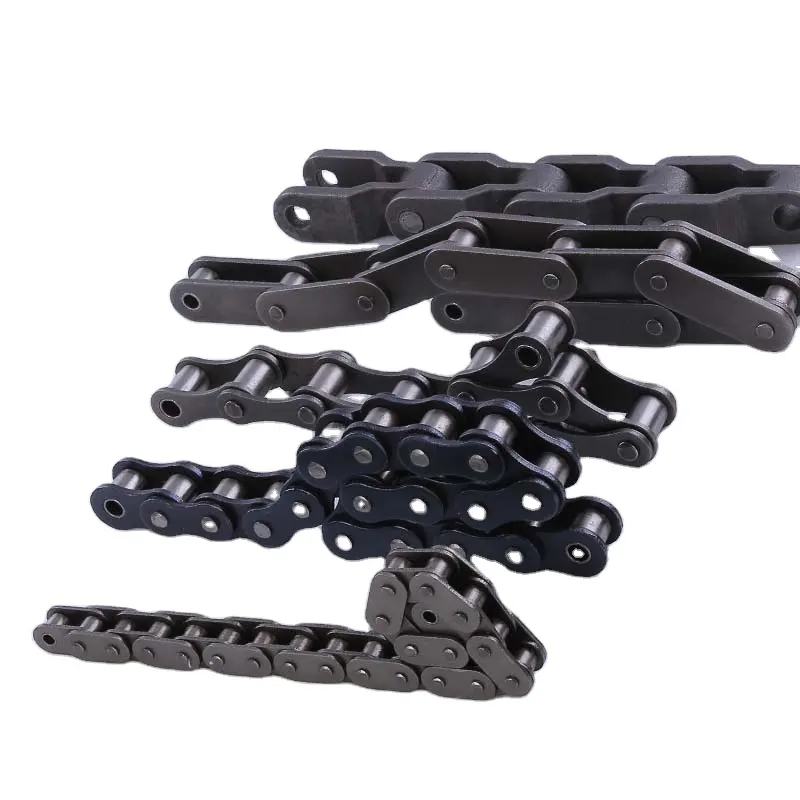
1. Chain Design: The design of roller chains includes various elements that contribute to their ability to handle shock loads. These elements include the shape and size of the rollers, the pitch of the chain, and the material used for construction. High-quality roller chains are engineered to provide durability and strength, allowing them to withstand sudden impacts and shocks.
2. Material Selection: The choice of materials for roller chains plays a significant role in their ability to handle shock loads. Chains made from high-quality alloy steels or special heat-treated steels offer better toughness and resistance to impact. The material properties, including hardness and tensile strength, are important considerations in determining the chain’s ability to handle shock loads.
3. Chain Tension: Proper chain tension is crucial for handling shock loads effectively. Adequate tension ensures the chain remains engaged with the sprockets during sudden changes in load or direction. Insufficient tension can lead to chain slippage or disengagement, resulting in increased shock loads on the chain links. Regular inspection and adjustment of chain tension help maintain optimal performance.
4. Lubrication and Maintenance: Proper lubrication is essential for reducing friction and wear, especially when dealing with shock loads. Adequate lubrication ensures smooth movement of the chain and minimizes the impact of shocks on the chain’s components. Regular maintenance, including cleaning and relubrication, helps prolong the chain’s lifespan and ensures its ability to handle shock loads.
While roller chains are designed to handle a certain level of shock loads, it is important to consider the specific requirements of the application. In situations where high shock loads are expected, additional measures such as using shock-absorbing devices, selecting chains with higher load capacities, or implementing buffering systems may be necessary to protect the chain and ensure reliable operation.


editor by CX 2024-02-08