
Product Description
Stainless Steel/Carbon Steel Swivel Eye Block/Pulley
The Twin Swivel Block can fit multiple rope sizes ranging from 25mm to 50mm.
This block body is made from grade 304 or 316
stainless steel and the removable sheave is made from grade 304 or 316
stainless steel for corrosion resistance and durability.
It is ideal for marine and industrial rigging applications.
OUR MAIN PRODUCTS
Company Information
Haito was founded in 2002.Specializing in the production of stainless shackle,turnbuckle,terminal,screw and other metal products.Products of high quality, fashionable,windely used in a variety of architecture, not only has the broad masses of the domestic sales market, but also exported to Europe and the United States.
Over the past few years of production and management and exploration, Founder set up its own quality management system.Passed the ISO9001: 2008 quality system certification Founder always implement the concept of customer value creation for customers tailored products to meet the needs of different customers, and continuously provide customers with solutions and technical problems. Further exploration and innovation, and excellence. Warmly welcome you and opening up the boundaries of communication. We synchronize with your ideal partner!
* Free Samples could be provided
* No MOQ limit, Timely delivery, High quality and competitive prices
* OEM is welcomed
* Professional solution and good service on your questions
>>>FAQ:
|
1. Can I be your agent? |
| 2. Is OEM available? Yes, OEM is available. We have professional designer to help your brand promotion. |
| 3. How can I get a sample to check your quality? After price confirmation, you can require for samples to check our quality. Free for the samples, but you need to pay for the freight. |
| 4. What’s your quality guarantee? We have different kinds of products which can meet different quality standard. Our QC department will teset products before shipping. We have 100% quality guarantee to customers. We will be responsible for any quality problem. |
| 5. How about the delivery time? The delivery time is depend on the products and the quantity. But generally, the delivery time for a container is about 1 month. |
| 6. What’s benefit will you bring? Your client satisfied on the quality. |
Roller Chain Maintenance Tips
There are many things to keep in mind when maintaining a roller chain. The main reasons include friction and external influences. Without proper lubrication and adjustment, such chains will wear prematurely. Here are some tips for keeping your roller chain in top shape. continue reading! This will make your process easier. We will also discuss the cost of the new roller chain. As always, remember to check for loose ends and adjust the chain regularly.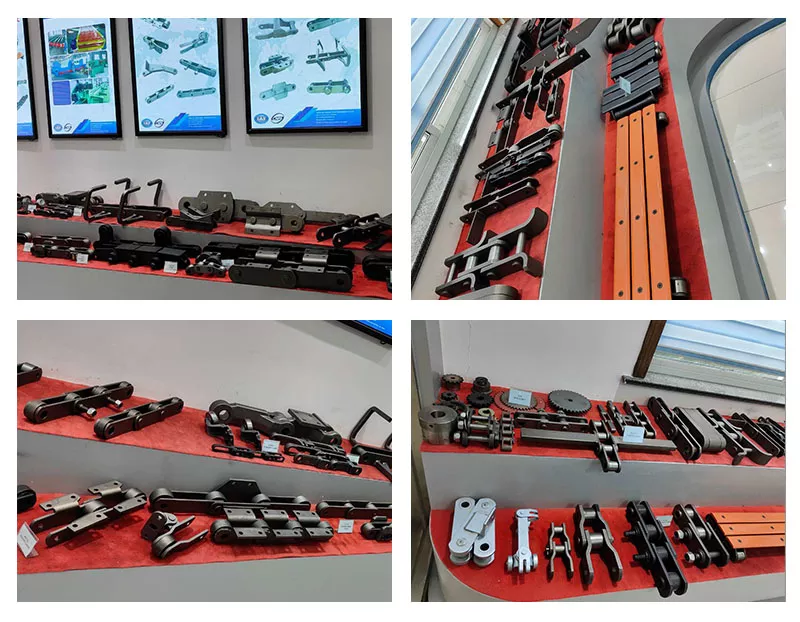
Preloading
Roller chains are designed to accommodate many different types of loads. Sprockets are the main cause of chain wear. Axial and angular misalignment occurs when the sprocket faces are not properly aligned. Both types of misalignment increase stress and wear on the roller chain. They can also negatively affect the drive. Therefore, choosing the right chain is an important consideration.
Preloading helps to eliminate initial elongation and extend service life. The benefits of preloading can be seen in the preloading chart. Significant elongation occurs during drive startup with no or minimal preload. This is due to the surface hardness of the worn parts. On the other hand, a properly preloaded chain shows little elongation during the initial start. Therefore, proper preload can prolong wear life.
Although elongation is a natural phenomenon in any drive, it can be minimized or eliminated with proper maintenance. In addition to regular inspections, you should do a full inspection of your chain after the first hundred hours. This inspection should focus on key life factors such as 3% elongation, how the chain is lubricated, and any other issues that may affect life. A good quality chain should have the longest life and no problems.
There are many different roller chain specifications. A good rule of thumb is to choose chains with at least 5 links. Then, tighten the chain until a break occurs, and it will tell you what kind of break occurred. Alternatively, you can use a roller chain with the maximum allowable load. As long as the MAL doesn’t exceed that number, it’s still perfectly safe to use it for any application.
lubricating
When it comes to lubrication, there are several different techniques. For example, spray lubrication is a popular method for high-horsepower drives and high-load and fast-moving machines. This method is very effective, but it is expensive, and spraying the chain too far out of the guard can cause leaks. Another common method is brush lubrication. Brush lubrication involves applying a continuous flow of oil to the chain, pushing it into the chain. This lubrication technique reduces the application temperature of the chain. Also, it can extend the life of the chain, depending on the manufacturer’s specifications.
While the lubrication of roller chain couplings varies by application, sprocket hubs should be lubricated monthly to ensure proper sealing. The amount of oil used depends on the rotational speed and the type of roller chain coupling. In general, lubricants used in roller chain couplings should have excellent adhesion, oxidation, and mechanical stability.
Wear-resistant lubricants are recommended. They prevent the rollers from sticking to each other and prevent rusting. These lubricants have low surface tension and are not harmful to metal or O-ring chains. The optimum lubrication method depends on ambient temperature, horsepower, and chain speed. Properly lubricating a roller chain increases the life of the chain and reduces the risk of wear.
Proper lubrication of the roller chain is essential to prevent corrosion and prolong its service life. The oil forms a smooth film on the chain components, reducing metal-to-metal contact and minimizing friction and wear. Additionally, the oil provides a smooth running surface and reduces noise. However, the running-in process of roller chain lubrication cannot be underestimated. When using heavy-duty oils, ensure that the lubricant is compatible with operating and ambient temperatures.
Maintain
To extend the life of your roller chain, you need to carry out regular inspections. First, you should check the T-pin on the link plate at the joint. If they are not connected properly, it can cause the chain to stretch and not maintain proper spacing and timing. Next, you should look for unusual noise, corrosion, and dirt that may indicate wear. If you notice any of these problems, it’s time to replace the chain.
In order to properly maintain a roller chain, both areas of the roller chain must be lubricated with the correct lubricant. Lubricants used should be SAE non-degreased oils. There are several types of lubricants available, but the best 1 is a petroleum-based oil with a high viscosity. You can also check for signs of wear, such as red or brown discoloration. This means that there is not enough lubrication.
While the life expectancy of a roller chain is unknown, it is important to know how to extend its life and maximize its effectiveness. Improper tension and alignment can shorten its life and place undue stress on the drive system and the chain itself. Incorrect tension can also lead to slippage and increased energy output. Therefore, you should calculate the tension and alignment of the chain during the initial installation. Check and adjust regularly.
Another way to extend the life of your rollers is to thoroughly clean the inside and outside of the rollers. You should also lubricate it frequently to prevent excessive heat buildup. Designed to prevent overheating by limiting the amount of work during break-ins. Additionally, regular inspections will help you catch anomalies early enough to stop operations. Last but not least, regular lubrication will prolong the life of the roller chain.
Cost
Buying a roller chain is a big decision, but initial cost shouldn’t be the only consideration. The cost of the roller chain itself, as well as the running costs, should be considered. Even the lowest-priced chains can be more expensive in the long run. Additionally, maintenance and energy costs may increase. The best roller chain for your business will be the 1 that best suits your needs. Listed below are some considerations to consider when purchasing a roller chain.
First, what material should you use? Roller chains come in many different materials. Stainless steel is a commonly used material in construction. Materials are selected based on the cost and design of chain horsepower transmission. Various manufacturing processes will determine which material is suitable for your application. Also, the weight of the chain will vary depending on its pitch and the construction technique used. A large part of the cost of a roller chain is on the drive sprocket.
Another consideration is installation cost. Roller chains are commonly used in agricultural and transportation applications, especially for agronomic products. If lubrication is your concern, maintenance-free chains are the best choice. Corrosion-resistant chains are ideal for wet environments. They are sold in boxed lengths, so replacing a longer length requires adding a shorter length. To avoid trouble, use the skateboard to help connect the links.
Another consideration is the overall width. The overall width of an open #40 roller chain may vary but should be at least 10 feet wide. Although it is not the most expensive type of roller chain, it will last longer. Using it correctly will increase its overall longevity, so it’s a good idea to choose it wisely. If your business uses roller chains regularly, the cost reduction is well worth it.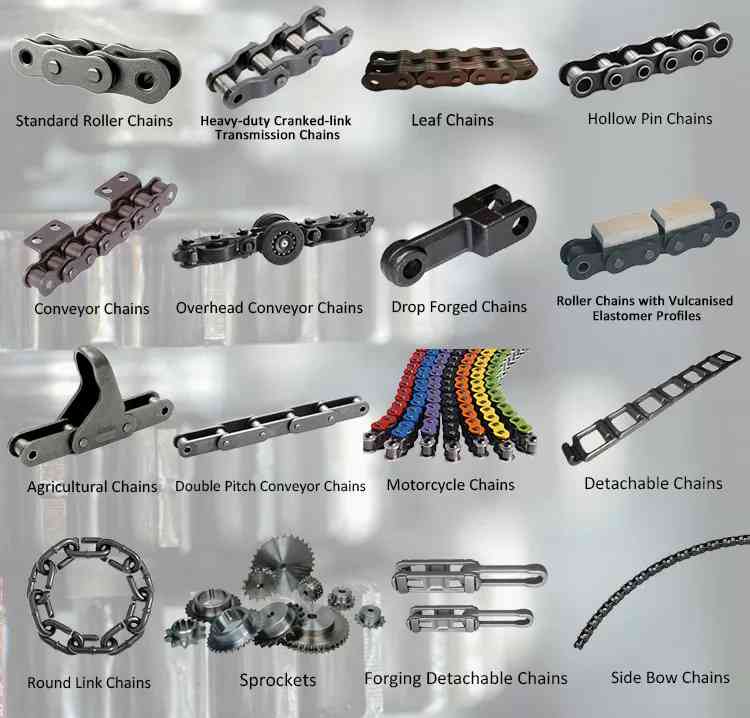
Application
A roller chain consists of a pair of alternating pins and roller links. The pins are pressed into the side panels and hinged to the rollers. Roller chains can be single or multi-strand, connected by a common pin. The multi-strand design provides higher shear strength for demanding power transmission applications. Typical applications for roller chains include conveyors, hoists, and other mechanical equipment.
The horsepower capability of a roller chain is limited by several factors, including pin shock and friction. While research into these factors has placed some limits on the maximum operating speed of the roller chain, practical experience has shown that these systems can be used at higher speeds. Proper lubrication and cooling can increase the durability of these chains. In addition, roller chain applications include:
Drive and conveyor systems are the 2 main uses of roller chains. During driving operations, wear and elongation are a natural part of the operation. However, lubrication plays a vital role in minimizing wear and shock loads. Therefore, wear is inevitable and special care must be taken to ensure proper lubrication. Additionally, lubrication reduces heat dissipation in the chain.
The materials used to make roller chains vary from 1 type to another. Stainless steel is common, but nylon or brass are sometimes used. These materials are less expensive and more durable than steel or stainless steel. The best material for the job depends on a variety of factors, including cost, environmental conditions, and design horsepower transmission. For example, the pin bushing contact area is a critical area requiring lubrication. Additionally, some coatings are designed to retard the corrosive effects of water or oil.
