
Product Description
Roller Chains for Textile Machinery:
Chain No.: 06BF20
Pitch: 9.525mm
Why choose us?
1. HangZhou Xihu (West Lake) Dis.hua Chain Group Co., Ltd established in 1991, we have 5 subsidiaries in China and also have 6 subsidiaries abroad;
2. We covering a production area of 200, 100 square meters, have more than 1, 800 sets of advanced equipment and over 3, 100 highly skilled employees, the annual production capacity has exceeded 20, 000, 000 meters;
3. We specialized in producing all kinds of standard chains and special chains, such as A or B series chains, driving chains, conveyor chains, dragging chains, agricultural chains and so on;
4. We have obtained ISO9001, ISO14001, ISO16969, AAA and API certificates.
The company is specialized in producing all kinds of standard chains and special chains, E. G. A or B series chains, automobile chains, stainless steel chains, combine harvester chains, heavy-duty cranked link transmission chains, stereo garage chains and maintenance-free chains etc. In recent years, it invests the capital and depends on the improvement of technology to accelerate the step of new product development and the step of technology reform. It intends to produce high strength and precision chains in order to meet requirements of the domestic and overseas markets. We have enclosed our catalog, which introduces our company in detail and covers the main products we supply at present. You may also visit our online company introduction which includes our latest product line.
Should any of these items be of interest to you, please let us know. We will be happy to give you a quotation CZPT receipt of your detailed requirements.
We look CZPT to receiving your enquires soon.
| Usage: | Transmission Chain, Conveyor Chain |
|---|---|
| Material: | Alloy/Carbon Steel |
| Surface Treatment: | Oil Blooming |
| Feature: | Heat Resistant |
| Length: | 2.3m/2.2m/2.0m/3.0m/3.6m/4.0m/5.8m |
| Loading Port: | Shanghai |
| Customization: |
Available
| Customized Request |
|---|
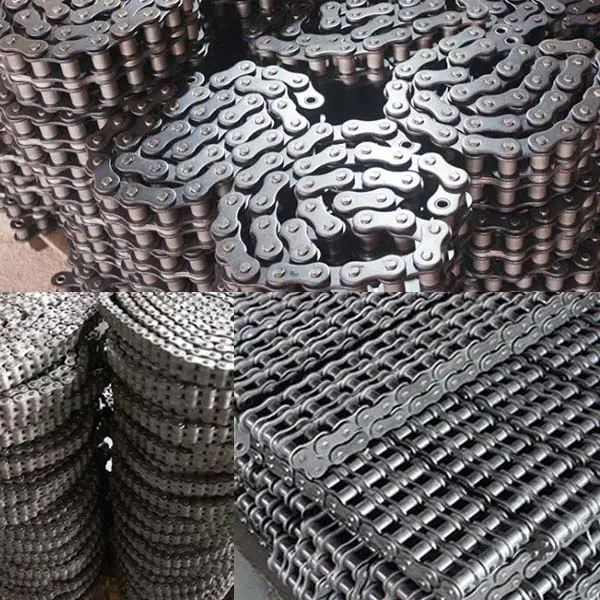
What are the benefits of using a roller chain in agricultural machinery?
Roller chains offer several advantages when used in agricultural machinery:
1. High Strength and Durability: Roller chains are designed to withstand heavy loads and harsh operating conditions commonly found in agricultural machinery. They are built with robust materials and precision engineering, making them capable of handling the demanding requirements of agricultural applications.
2. Efficient Power Transmission: Roller chains provide efficient power transmission from the engine to various agricultural components such as harvesters, tractors, and conveyors. They have low frictional losses, allowing for efficient transfer of torque and minimizing power wastage.
3. Wide Range of Sizes and Configurations: Roller chains are available in various sizes, pitches, and configurations, allowing them to be used in different types of agricultural machinery. This versatility enables manufacturers to select the appropriate chain for specific applications, ensuring optimal performance and reliability.
4. Versatile and Reliable: Roller chains can be used in a wide range of agricultural machinery, including harvesters, combines, planters, balers, and more. They provide reliable power transmission and can operate in diverse agricultural environments, including fields, orchards, and livestock facilities.
5. Easy Maintenance: Roller chains are relatively easy to maintain. Regular lubrication and periodic inspection are essential to ensure smooth operation and prevent premature wear. With proper maintenance, roller chains can have a long service life, reducing downtime and maintenance costs for agricultural machinery.
6. Cost-Effective Solution: Roller chains offer a cost-effective solution for power transmission in agricultural machinery. They are typically more affordable compared to alternative drive systems, such as gears or belts, while still providing reliable and efficient performance.
7. Adaptability to Variable Speeds: Agricultural machinery often requires variable speed control based on specific tasks or crop conditions. Roller chains can handle variable speeds effectively, allowing for precise control and adjustment to meet the varying demands of agricultural operations.
Overall, the use of roller chains in agricultural machinery offers durability, efficiency, versatility, and cost-effectiveness. They provide reliable power transmission, enabling agricultural equipment to operate efficiently and effectively in demanding farming environments.
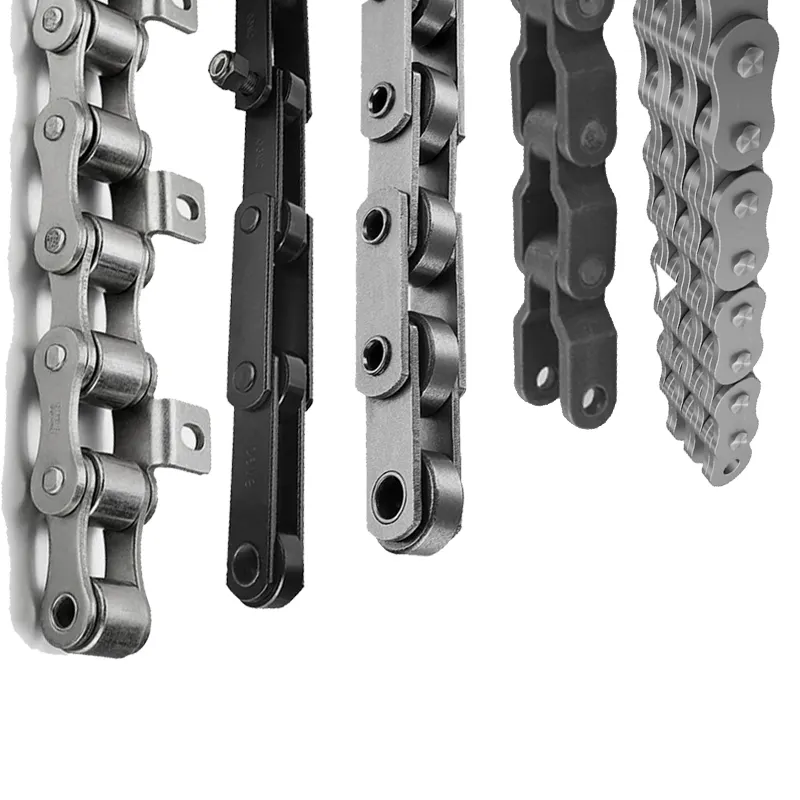
Can roller chains be used for power transmission in agricultural vehicles?
Yes, roller chains are commonly used for power transmission in agricultural vehicles. These vehicles often require reliable and robust power transmission systems to handle the demanding tasks in agricultural operations. Roller chains offer several advantages that make them suitable for such applications. Here’s a detailed answer to the question:
1. High Strength and Durability: Agricultural vehicles operate in rugged environments and encounter heavy loads. Roller chains are known for their high strength and durability, allowing them to withstand the demanding conditions found in agricultural settings. They can handle the power transmission requirements of vehicles used for tasks like plowing, tilling, harvesting, and hauling.
2. Wide Range of Speeds: Agricultural vehicles often operate at various speeds depending on the task at hand. Roller chains can accommodate a wide range of speeds, allowing them to efficiently transmit power even during speed variations. They can handle both low-speed applications, such as crawling through fields, and higher-speed applications, such as transporting crops.
3. Adaptability to Misalignment: Agricultural vehicles may encounter uneven terrain and experience misalignment between the driving and driven components. Roller chains can tolerate a certain degree of misalignment, allowing them to function effectively even in challenging conditions. However, proper alignment should still be maintained to optimize chain performance and longevity.
4. Resistance to Contaminants: Agricultural environments often involve dust, dirt, and debris. Roller chains are designed to operate in such conditions and have inherent resistance to contaminants. They can continue to function reliably even in dusty or dirty environments, reducing the need for frequent cleaning and maintenance.
5. Easy Installation and Maintenance: Roller chains are relatively simple to install and maintain in agricultural vehicles. They can be easily adjusted for proper tension and replaced when necessary. Routine lubrication and inspection help ensure smooth operation and extend the chain’s lifespan.
It’s important to consider the specific requirements of the agricultural vehicle and select the appropriate roller chain based on factors like load capacity, speed range, and environmental conditions. Regular inspection, lubrication, and proper tensioning are essential to ensure optimal performance and longevity of the roller chain in agricultural applications.
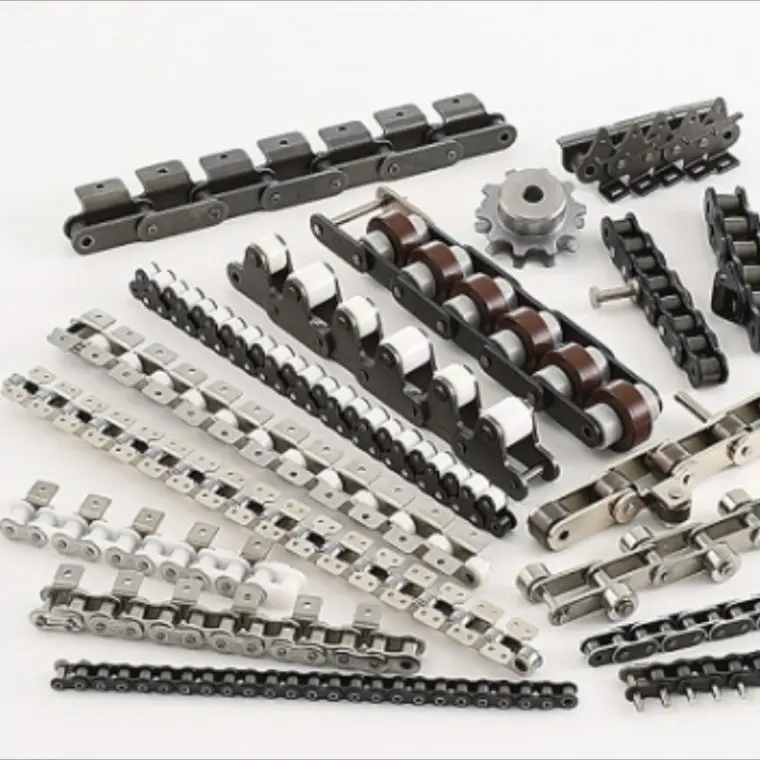
What is a roller chain and how does it work?
A roller chain is a type of transmission chain that is commonly used in various mechanical systems to transmit power and motion between rotating shafts. It consists of a series of interconnected links, including inner plates, outer plates, rollers, and pins. Here’s a detailed answer to the question:
A roller chain operates based on the principle of contact and rolling motion. The basic components of a roller chain include:
- Inner Plates: These are flat metal plates with holes through which the pins pass.
- Outer Plates: These are similar to inner plates and are connected to the inner plates through pins.
- Rollers: The rollers are cylindrical components that are positioned between the inner and outer plates. They have a slightly larger diameter than the pins, allowing them to freely rotate.
- Pins: The pins hold the inner and outer plates together and provide a pivot point for the rollers. They pass through the holes in the inner and outer plates and secure them in place.
When the roller chain is installed in a system, it wraps around a pair of sprockets. The sprockets have teeth that mesh with the rollers of the chain. As one sprocket rotates, it engages with the rollers and pulls the chain along, causing the other sprocket to rotate as well.
The working principle of a roller chain involves the following steps:
- Engagement: The chain is positioned around the sprockets, and the rollers engage with the teeth of the sprockets.
- Tension: The tension in the chain is created by the movement of the sprockets, which causes the chain to wrap tightly around them.
- Rolling Motion: As the sprockets rotate, they impart a rolling motion to the rollers. The rollers, in turn, rotate freely on the pins, allowing the chain to move smoothly along the sprockets.
- Power Transmission: The rotational motion of one sprocket is transferred to the other sprocket through the chain. This enables the transmission of power and motion between the two shafts connected to the sprockets.
Roller chains are widely used in various applications, including machinery, automobiles, motorcycles, bicycles, conveyors, and more. They offer high efficiency, reliability, and the ability to transmit substantial amounts of power. Regular maintenance, including lubrication and periodic inspection, is essential to ensure the proper functioning and longevity of a roller chain.


editor by CX 2023-08-30