
Product Description
High Quality Motorcycle Conveyor Roller Chain Stainless Steel Professional China Factory Supply (ANSI, BS, DIN, JIS Standard)
Product Description
1. Material: Stainless steel / Alloy steel / Made to order
2. Surface Treatment: Zinc-Plated / Nickel-Plated / Shot Peening / Blackening
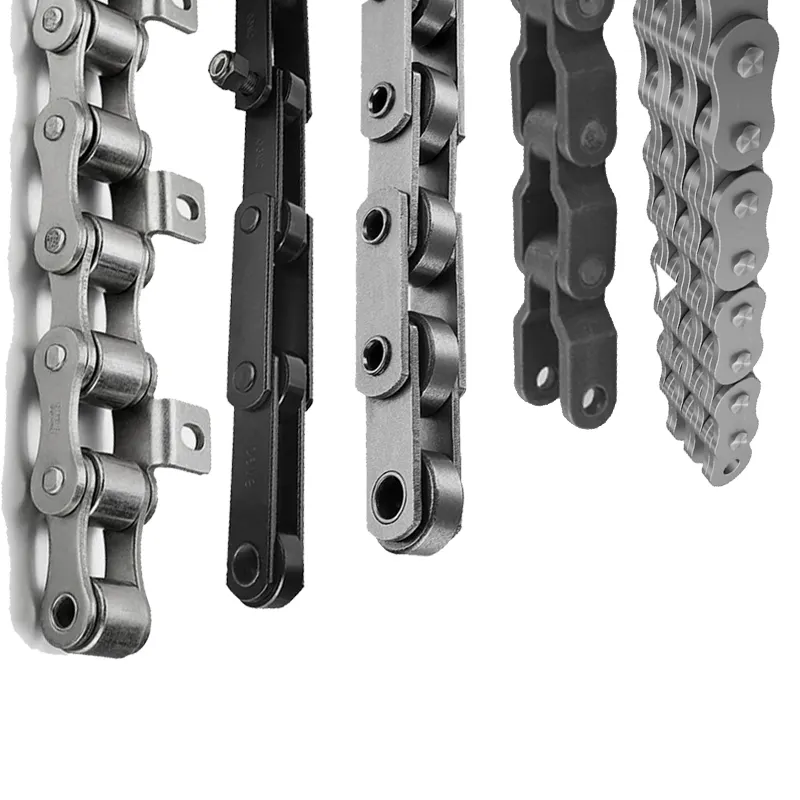
3. Chain Type: Roller chains, Drive chains,Conveyor Chains, Hollow Pin Chains,Welded chains, Steel Pin Chains, Palm oil chains,Sugar Mill Chains.ect.
4. Application: Chains is a very important industry parts, The many industry will be use chain. For examples Sugar mill ,Steel mill,Cement mill, Palm oil mill and more. thus the chain is industrial family main member.
5. “PLW” Company Purpose : Powering Your Business Worldswide. Driving the word and future.
| Product name | High Quality Motorcycle Conveyor Roller Chain Stainless Steel Professional China Factory Supply (ANSI, BS, DIN, JIS Standard) |
| Chain Type | 1. Driving Chain (roller chain, Heavy Duty Cranked-Link,Bushing Chains etc) |
| 2. Conveyor Chain( Double Pitch chains,,MT & MC Series etc) | |
| 3. Hollow Pin Chain | |
| 4. Palm Oil Chain | |
| 5. Sugar Mill Chain | |
| 6. Welded Steel Chain | |
| 7. Rubber Glove Chain | |
| Surface Treatment | Shot peening, Blackening, Oxygenation, Polishing, Zinc-plated, Nickel-plated, Anodized, etc. |
| Characteristic | Fire Resistant, Oil Resistant, Heat Resistant |
| Design criterion | ISO DIN ANSI & Customer’s Drawing |
| Size | Customer’s Drawing & ISO Standard |
| Package | Wooden Case / Container and pallet, or made-to-order |
| Certificate | ISO9001: 2008 |
| Advantage | First quality, Best Service, Competitive price, Fast delivery |
| Delivery Time | 20 days for samples. 45 days for official order. |
View more products,please click here…
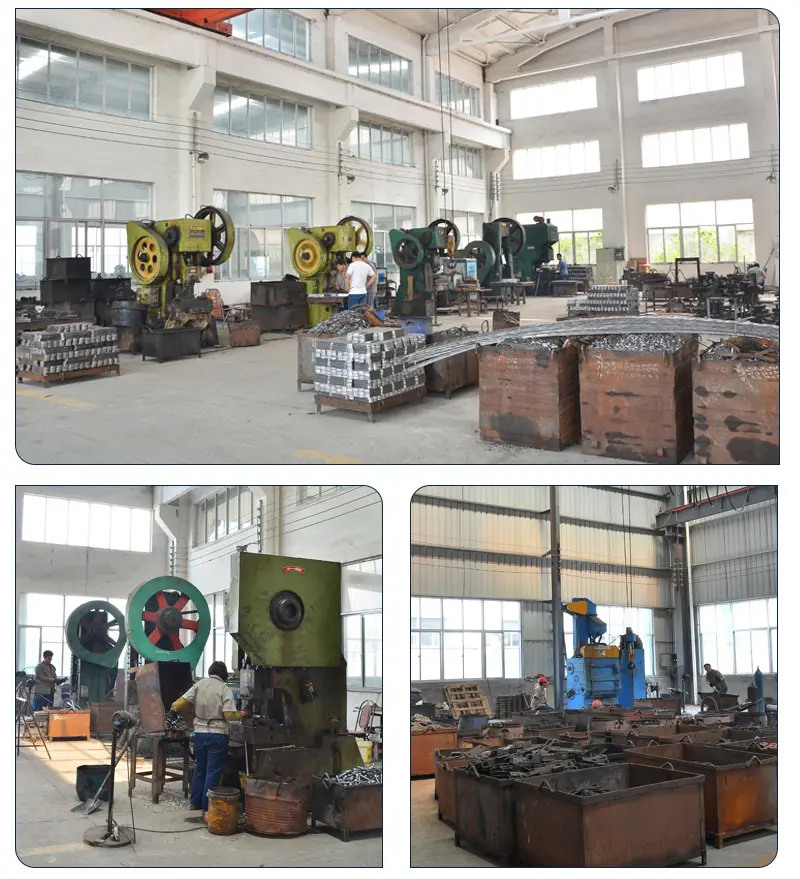
Company Profile
| Material: | Steel or Stainless Steel etc |
|---|---|
| Structure: | Chain |
| Surface Treatment: | Shot Peening, Blackening, Oxygenation, Polishing, |
| Chain Size: | All of The Chain |
| Feature: | Fire Resistant, Heat Resistant |
| Transport Package: | Plastic Bag+Box+Plywood Case |
| Samples: |
US$ 0/Meter
1 Meter(Min.Order) | |
|---|
| Customization: |
Available
| Customized Request |
|---|
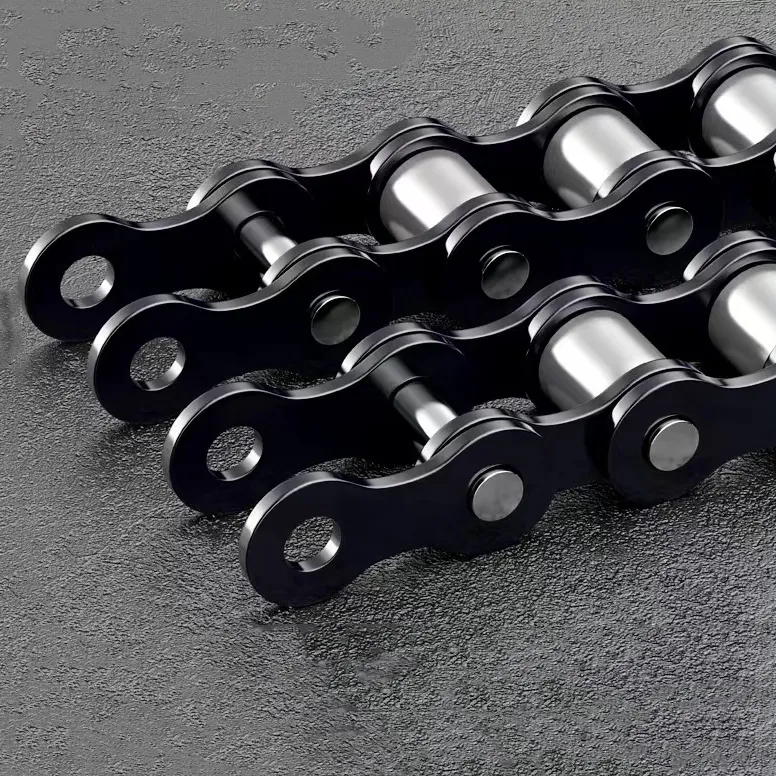
Can roller chains be used for power transmission in bicycles?
Yes, roller chains are commonly used for power transmission in bicycles. Here’s a detailed answer to the question:
Roller chains are an integral component of bicycle drivetrains, transmitting power from the pedals to the rear wheel. They offer several advantages that make them well-suited for this application:
1. Efficient Power Transfer: Roller chains provide efficient power transfer from the rider’s pedaling force to the rear wheel of the bicycle. They have low frictional losses, allowing for a smooth and efficient transfer of energy, resulting in better propulsion and improved performance.
2. High Strength and Durability: Roller chains used in bicycles are designed to withstand the forces exerted during pedaling and the varying loads encountered during riding. They are constructed using high-quality materials and precise manufacturing techniques to ensure strength and durability.
3. Lightweight: Roller chains used in bicycles are lightweight, contributing to the overall weight reduction of the bike. This is important for cyclists as it allows for faster acceleration, easier maneuverability, and enhanced handling.
4. Versatility: Roller chains are available in various sizes and configurations, allowing them to be used in different types of bicycles. Whether it’s a road bike, mountain bike, or city bike, roller chains can be adapted to suit the specific requirements of the bike’s drivetrain.
5. Easy Maintenance: Roller chains in bicycles require regular maintenance to ensure optimal performance and longevity. Proper lubrication and periodic cleaning are essential to prevent wear and corrosion. Fortunately, bicycle chains are relatively easy to maintain and can be readily accessed for cleaning and lubrication.
6. Cost-Effective Solution: Roller chains offer a cost-effective solution for power transmission in bicycles. They are affordable and widely available, making them a practical choice for bike manufacturers and cyclists alike.
In summary, roller chains are commonly used for power transmission in bicycles due to their efficient power transfer, strength, durability, lightweight nature, versatility, ease of maintenance, and cost-effectiveness. They play a crucial role in ensuring a smooth and reliable ride for cyclists of all types and skill levels.
What are the limitations of using roller chains in certain applications?
Roller chains are versatile and widely used in various applications, but they do have some limitations to consider. Here’s a detailed answer to the question:
1. Speed Limitations: Roller chains have a practical speed limit due to factors such as chain length, centrifugal forces, and roller-to-sprocket engagement. At high speeds, the centrifugal forces can cause excessive chain vibration and increase wear, potentially leading to chain failure. In such cases, alternative power transmission systems like gears or belts may be more suitable.
2. Precision Requirements: Roller chains require proper alignment and tensioning for efficient operation. In applications that demand high precision, such as precision machinery or robotics, the inherent flexibility and slight elongation of roller chains may not meet the desired accuracy requirements. In such cases, alternative systems like timing belts or direct drive solutions may be preferred.
3. Environmental Limitations: Roller chains may not be suitable for certain environments with extreme temperatures, corrosive substances, or high levels of contamination. Harsh conditions can accelerate chain wear, reduce lubrication effectiveness, or cause corrosion. In these situations, specialized chains with appropriate coatings or alternative power transmission systems may be necessary.
4. Noise and Vibration: Roller chains can generate noise and vibrations during operation, particularly when not properly tensioned or maintained. In applications where noise or vibration is a concern, such as in noise-sensitive environments or precision machinery, additional measures like chain tensioners, vibration dampening, or alternative drive systems may be required.
5. Size and Space Constraints: Roller chains have a certain physical size and require appropriate clearance for installation. In applications with limited space or tight packaging requirements, alternative power transmission systems like compact belts or direct drives might be more suitable.
It’s important to carefully evaluate the specific requirements and constraints of each application when considering the use of roller chains. Alternative power transmission systems may be more suitable in certain cases, and consulting with experts or manufacturers can help determine the best solution for the intended application.
How do roller chains handle misalignment between sprockets?
Roller chains are designed to accommodate a certain degree of misalignment between sprockets. Here’s a detailed answer to the question:
1. Side-Bending Capability: One of the key features of roller chains is their side-bending capability. The chain links have some flexibility, allowing them to articulate and adapt to slight misalignments between the sprockets. This flexibility helps maintain proper engagement between the chain and the sprockets, even if they are not perfectly aligned.
2. Articulating Pins and Bushings: Roller chains consist of pins and bushings that connect the chain links. These pins and bushings allow for rotational movement and articulation, enabling the chain to adjust to the misalignment between the sprockets. This ensures that the chain remains engaged with the sprockets and continues to transmit power effectively.
3. Chain Tension Adjustment: Misalignment between sprockets can cause variations in chain tension along the length of the chain. Roller chains typically have provisions for adjusting the chain tension, allowing for compensation of any slack or tight spots caused by misalignment. Proper tension adjustment helps maintain the chain’s engagement with the sprockets and ensures smooth power transmission.
4. Chain Guides and Tensioners: In cases where misalignment is more pronounced or persistent, chain guides and tensioners can be used to help guide the chain and maintain proper alignment. These components provide additional support and control the lateral movement of the chain, minimizing the effects of misalignment.
While roller chains can handle a certain amount of misalignment, it is important to note that excessive or prolonged misalignment can lead to increased wear, premature fatigue, and reduced chain life. Therefore, it is recommended to minimize misalignment as much as possible and regularly inspect and maintain the alignment of the sprockets to ensure optimal performance and longevity of the roller chain.


editor by CX 2023-10-27