
Product Description
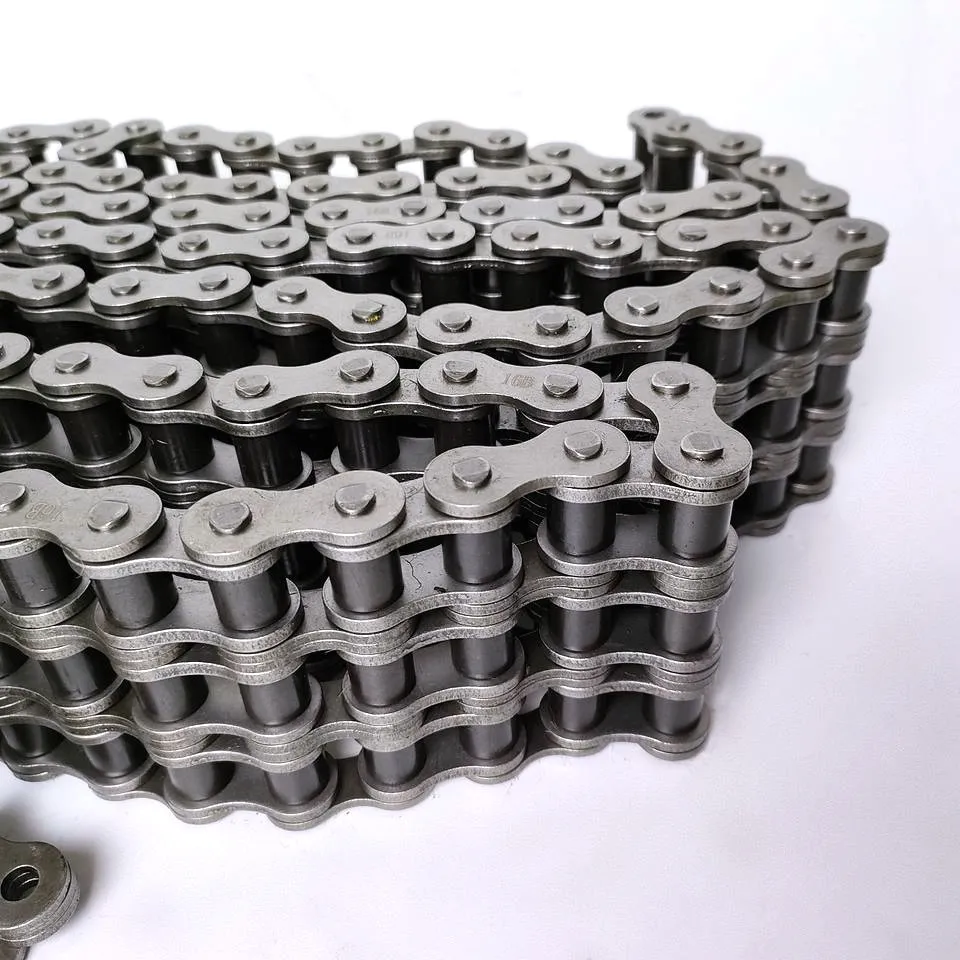
Specification OF Roller Chain —Speedway:
We developed and produced many tractor spare parts for European/Jananese Tractors .
Tractor Model we can supply: B1500/1400,B5000,B6000, B7000, TU1400, TX1400, TX1500, YM F1401, YM1400 ETC.
The parts for example: Gearboxes, Tyres, rim Jante, Kit coupling KB-TX 3 point linkage. Exhaust pipe Steering wheel. Kit coupling YM F14/F15, gear shaft, PTO shaft, PTO cardan, key, regulator ect.
Most of the spare parts are with stock. If you are interested in, please feel easy to contact me.
Other relevant parts for cars or machinery we have made in our workshop are as follows:
Drive shaft parts and assemblies,
PTO GEARBOX,
Universal joint parts and assemblies,
PTO drive shafts,
Spline shafts,
Slip yokes,
Weld yokes,
Flange yokes,
Steering columns,
Connecting rods,
etc.
Product Description
Item:
Company Profile
Certifications
FAQ
/* January 22, 2571 19:08:37 */!function(){function s(e,r){var a,o={};try{e&&e.split(“,”).forEach(function(e,t){e&&(a=e.match(/(.*?):(.*)$/))&&1
| Standard or Nonstandard: | Standard |
|---|---|
| Application: | Agricultural Machinery |
| Surface Treatment: | Chrome Plating |
| Structure: | Roller Chain |
| Material: | Alloy Steel,High Carbon Steel,40mn,40cr |
| Type: | Short Pitch Chain |
| Samples: |
US$ 100/Piece
1 Piece(Min.Order) | |
|---|
What are the differences between ANSI and ISO roller chain standards?
ANSI (American National Standards Institute) and ISO (International Organization for Standardization) are two widely recognized standards for roller chains. Here’s a detailed answer to the question:
1. Designation and Nomenclature: ANSI and ISO roller chains have different designations and nomenclature. ANSI chains typically use a three-digit number to denote the pitch size, while ISO chains use a four-digit number. The nomenclature for chain sizes and dimensions may also vary between the two standards.
2. Dimensions and Tolerances: ANSI and ISO roller chains may have slight differences in dimensions and tolerances. While the basic design principles are similar, there may be variations in the allowable tolerances for pitch, roller diameter, plate thickness, and other critical dimensions.
3. Load Capacity and Strength: ANSI and ISO standards have different approaches to determining the load capacity and strength of roller chains. The formulas and methods used for calculating the maximum allowable load and ultimate strength may differ between the two standards.
4. Interchangeability: ANSI and ISO roller chains are generally not interchangeable. The differences in dimensions, tolerances, and load capacity calculations make it important to use chains that conform to the specific standard required by the application.
5. Regional Adoption: ANSI roller chain standards are widely used in North America, while ISO standards are more commonly adopted in Europe and many other parts of the world. The regional preference and market availability may influence the choice of standard in different applications and industries.
It’s important to consult the specific ANSI or ISO standard documents for detailed information on the requirements and specifications of roller chains. Additionally, working with suppliers or manufacturers familiar with the applicable standards can help ensure the proper selection and use of roller chains in accordance with the desired standard.
Can roller chains be used for power transmission in pumps and compressors?
Yes, roller chains can be used for power transmission in pumps and compressors. Here’s a detailed answer to the question:
1. Power Transmission: Roller chains are widely used in various industries for transmitting power between rotating components. In pumps and compressors, roller chains can efficiently transfer power from the motor to the impeller or compressor wheel, enabling the pumping or compression action.
2. Versatility: Roller chains are available in different sizes, pitches, and configurations, making them suitable for various power transmission requirements. They can accommodate a wide range of power levels and speeds, allowing pumps and compressors to operate effectively in different applications and conditions.
3. Load Handling: Pumps and compressors typically involve dynamic loads due to the movement of fluids and gases. Roller chains are designed to handle these dynamic loads effectively. The multiple rollers and pins in the chain distribute the load evenly, minimizing stress concentrations and ensuring smooth power transmission.
4. Durability: Roller chains are known for their durability and resistance to wear. They are designed to withstand demanding operating conditions, including high speeds, fluctuating loads, and exposure to contaminants. Proper lubrication and maintenance further enhance their longevity and reliability in pump and compressor applications.
5. Easy Installation and Maintenance: Roller chains offer ease of installation and maintenance. They can be easily installed, adjusted, and tensioned to ensure proper alignment and operation. Routine maintenance tasks such as lubrication and inspection can help optimize chain performance and identify any potential issues.
It’s important to select the appropriate roller chain based on the specific requirements of the pump or compressor, considering factors such as power transmission capacity, speed, load characteristics, and environmental conditions. Regular inspection and maintenance are crucial to ensure optimal performance and to detect any signs of wear or damage that may require replacement or repair.
What are the key components of a roller chain?
A roller chain consists of several key components that work together to facilitate power transmission. Here’s a detailed answer to the question:
1. Inner and Outer Plates: The inner and outer plates are flat metal plates that form the sides of the roller chain. They provide support and protection to the other components and help maintain the proper spacing between the rollers.
2. Rollers: The rollers are cylindrical components that are positioned between the inner and outer plates. They are responsible for engaging with the sprockets and transmitting power. The rollers rotate freely on the bushings and reduce friction during operation.
3. Bushings: The bushings are cylindrical sleeves that fit inside the rollers. They provide a low-friction surface for the rollers to rotate on and help reduce wear and extend the life of the chain.
4. Pins: The pins are cylindrical metal rods that connect the inner and outer plates. They pass through the bushings and hold the chain together. The pins are press-fitted into the plates and provide a pivot point for the rollers.
5. Link Plates: The link plates are the connecting elements between adjacent chain links. They are the plates that hold the pins in place and provide structural integrity to the chain.
6. Master Link or Connecting Link: The master link, also known as the connecting link, is a special link that allows for easy installation and removal of the roller chain. It typically has a removable pin or clip that enables the chain to be opened and closed without the need for special tools.
These components work together to form a continuous loop that engages with the sprockets and transfers power from one shaft to another. The precise design and construction of these components contribute to the overall strength, durability, and efficiency of the roller chain.


editor by CX 2024-04-26