
Product Description
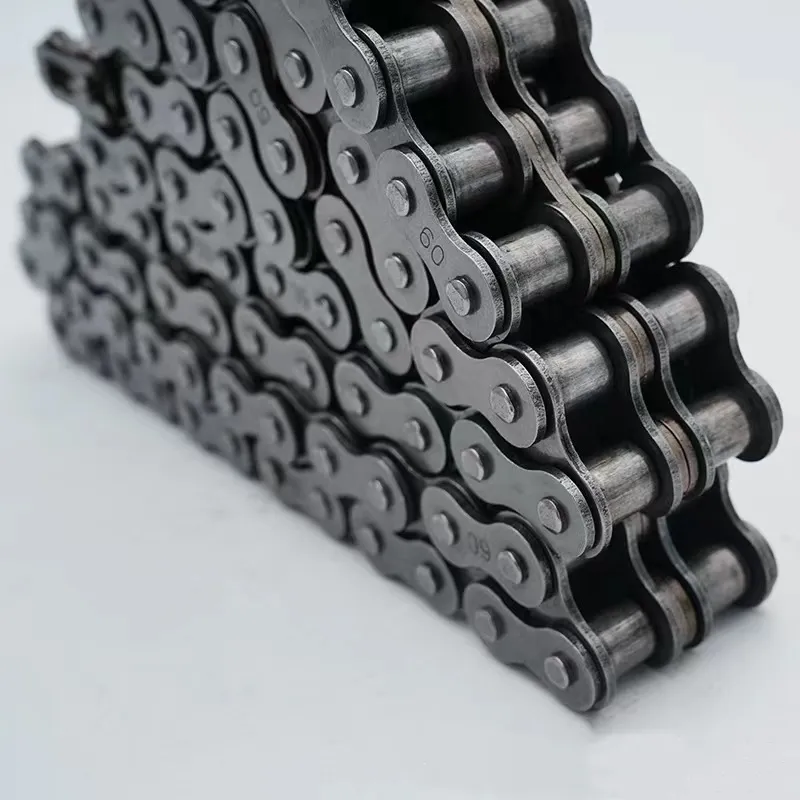
| 1)Type | Motorcycle Chain |
| 2)Materials | Grade A Steel: 40Mn(Plate) 30CrMnTi(Pin) 20Mn(Bush) Mn10(Roller) 65Mn(Clip) |
| 3)Chain No. | 428H |
| 4)Warranty | 30000 KMs |
| 5)Process | Sand blasting, Heat treatment, High speed impact, Four sides riveting, Pre-stretching and running, Lubricate with grease. |
| 6)MOQ | 1000Pcs |
| 7)Supply Ability | 1000000 Meter/Meters per year |
| 8)Tensile Strength/Hardness | standard or above |
| 9)Delivery Time | within 30 days after receiving your 30% deposits |
| 10)Payment Terms | L/C,T/T |
| 11)Packing | chains packing in polybag and color box, also can packing as your requirement |
Our Services
Pre-sales:
1. OEM &ODM service
2. Any of your kind inquiry would be replied within 24 hours.
3. Complete product information will be offered
4. Free sample will be sent if you need .
5. Any other reasonable requirements as per requested
During production ,we provide:
1. Schedule of production
2. Mass production picture will offered
3. Any other reasonable requirements as per requested
Finish production:
1. Courier tracking number
2. Documents you need
3. Protection of your sales area, ideas of design and all your private information.
FAQ:
Q1: Do you inspect the finished products?
A: Yes, each step of production and finished products will be carried out inspection by QC departing before shipping.
Q2: What’s the warranty of your products?
A: Usually we guarantee one year after delivery date, but depending on the specified product.
Q3: Are you manufacturer or Trade Company?
A: Both we are. We have been in motorcycle parts for nearly 20 years and it will be longer.
Q4: How to visit factory?
A: Leave us a message, and we will pick you up by car for free.
Q5: Can you do custom logo on the chain?
A: Yes,we can do custom logos by molding. Need your Authorization Letter.
/* January 22, 2571 19:08:37 */!function(){function s(e,r){var a,o={};try{e&&e.split(“,”).forEach(function(e,t){e&&(a=e.match(/(.*?):(.*)$/))&&1
| Type: | Chain |
|---|---|
| Material: | Steel |
| Certification: | ISO9001:2001, SGS |
| Number of Row: | Single Row |
| Surface Treatment: | Sand Blasting, Greasing |
| Thickness: | 2.03mm |
| Samples: |
US$ 0/Piece
1 Piece(Min.Order) | |
|---|
| Customization: |
Available
| Customized Request |
|---|
What are the noise and vibration characteristics of roller chains?
Roller chains exhibit specific noise and vibration characteristics during operation. Here’s a detailed answer to the question:
1. Noise Generation: Roller chains can produce noise during operation, especially when operating under certain conditions. The primary sources of noise in roller chains include the interaction between the chain and the sprockets, as well as the impact between the chain pins and the chain guide. The noise level can vary depending on factors such as chain speed, tension, lubrication, alignment, and wear.
2. Vibration: Roller chains can also generate vibrations during operation. These vibrations can be caused by various factors, including the chain’s interaction with the sprockets, chain tension, misalignment, and uneven wear. Excessive vibration can affect the performance and lifespan of the chain and other components in the system. It is important to minimize vibration to ensure smooth and reliable operation.
3. Noise and Vibration Reduction Measures: To mitigate noise and vibration in roller chain systems, several measures can be taken:
- Proper Lubrication: Adequate lubrication reduces friction between the chain and the sprockets, minimizing noise and vibration caused by metal-to-metal contact.
- Alignment and Tension: Ensuring proper alignment and tension of the chain helps to reduce noise and vibration. Misalignment or incorrect tension can lead to increased noise and vibration levels.
- Sprocket Design: The design and condition of the sprockets can affect noise and vibration. Sprockets with worn or damaged teeth can cause increased noise and vibration levels.
- Noise Dampening Elements: Adding noise dampening elements, such as rubber pads or guides, can help reduce the noise generated by the chain’s impact with the chain guides or other components.
- System Design: The overall system design, including the selection of compatible components and proper installation, can contribute to minimizing noise and vibration levels.
It’s important to regularly inspect and maintain the roller chain system to identify and address any sources of noise or excessive vibration. Proper lubrication, alignment, tensioning, and regular replacement of worn components are essential to ensure optimal performance, reduce noise, and minimize vibration in roller chain applications.
Can roller chains be used for power transmission in industrial equipment?
Yes, roller chains are widely used for power transmission in various industrial equipment and machinery. Here’s a detailed answer to the question:
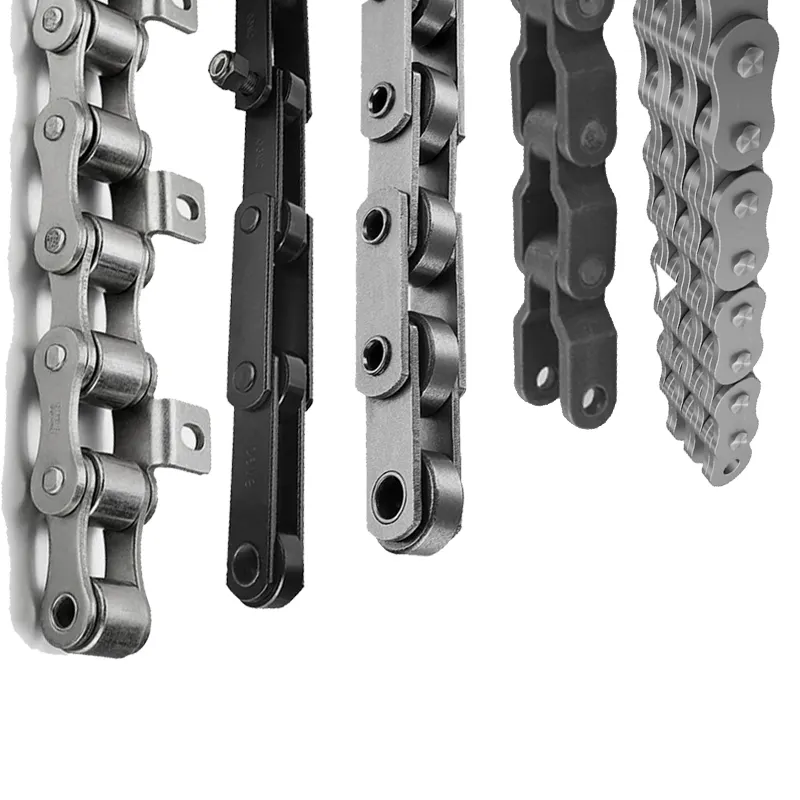
1. Versatility: Roller chains are known for their versatility and can be used in a wide range of industrial applications. They are commonly employed in machinery such as conveyors, agitators, mixers, hoists, elevators, packaging equipment, material handling systems, and many other types of industrial equipment.
2. Power Transmission: Roller chains excel in transmitting power from one rotating shaft to another. They can efficiently transfer high torque and handle heavy loads, making them suitable for demanding industrial applications where power transmission is required.
3. Load Capacity: Roller chains are designed to withstand significant loads and provide reliable power transmission. They are available in various sizes and strengths, allowing for customization based on the specific load requirements of the industrial equipment.
4. Durability: Roller chains are built to be durable and withstand harsh operating conditions typically encountered in industrial environments. They are constructed using high-quality materials and undergo heat treatment processes to enhance their strength and resistance to wear, fatigue, and elongation.
5. Efficiency: Roller chains offer high transmission efficiency due to their positive engagement with the sprockets. The rollers on the chain engage with the sprocket teeth, minimizing slippage and ensuring reliable power transfer. This results in efficient operation and optimized performance of industrial equipment.
6. Easy Maintenance: Roller chains are relatively easy to maintain, especially when compared to other power transmission systems. Proper lubrication and periodic inspection are essential to ensure smooth operation and extend the chain’s lifespan. Regular maintenance routines can be implemented to keep the chains in optimal condition and minimize downtime.
7. Cost-Effectiveness: Roller chains are generally cost-effective compared to alternative power transmission methods. They offer a balance between performance, durability, and affordability, making them a popular choice for power transmission in industrial equipment.
In summary, roller chains are well-suited for power transmission in industrial equipment due to their versatility, load capacity, durability, efficiency, ease of maintenance, and cost-effectiveness. When selecting roller chains for industrial applications, it’s important to consider factors such as load requirements, speed, environmental conditions, and compatibility with the specific equipment to ensure optimal performance and longevity.
How do you determine the appropriate size and pitch of a roller chain?
Determining the appropriate size and pitch of a roller chain requires considering several factors. Here’s a detailed answer to the question:
1. Power Requirements: The first step is to determine the power requirements of the application. This includes the required torque and speed. The power transmitted by the roller chain depends on its size, so understanding the power requirements is crucial in selecting the appropriate chain.
2. Design Guidelines: Roller chain manufacturers provide design guidelines and specifications that outline the maximum allowable loads and speeds for different chain sizes. These guidelines take into account factors such as the number of teeth on the sprockets, the chain’s strength, and its ability to withstand the anticipated loads and speeds.
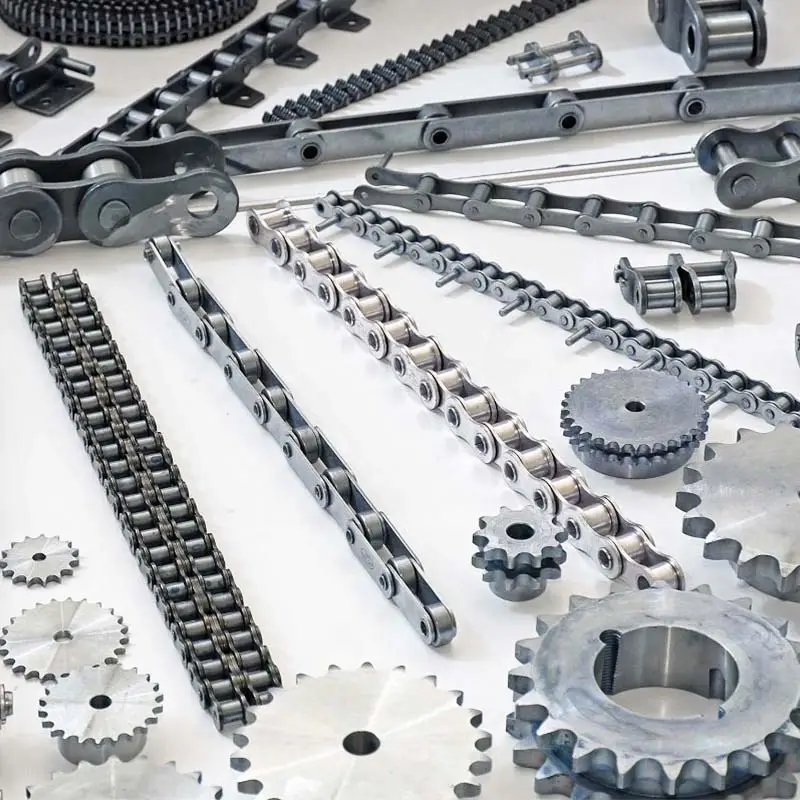
3. Sprocket Selection: The size and pitch of the roller chain must match the corresponding sprockets. It’s important to consider the number of teeth, the diameter, and the tooth profile of the sprockets. The roller chain and sprockets should be selected as a matched set to ensure proper engagement and efficient power transmission.
4. Application Considerations: The specific application requirements and environmental conditions should also be taken into account. Factors such as operating temperature, presence of contaminants, and required maintenance intervals may influence the choice of roller chain size and pitch.
5. Consultation with Experts: If you are unsure about the appropriate size and pitch of a roller chain for your application, it’s recommended to consult with roller chain manufacturers or industry experts. They can provide guidance based on their expertise and experience in similar applications.
By considering these factors and following the guidelines provided by roller chain manufacturers, you can determine the appropriate size and pitch of a roller chain that will effectively meet the power transmission requirements of your specific application.


editor by CX 2024-05-09