
Product Description
Product Description
| Customized support | OEM, ODM |
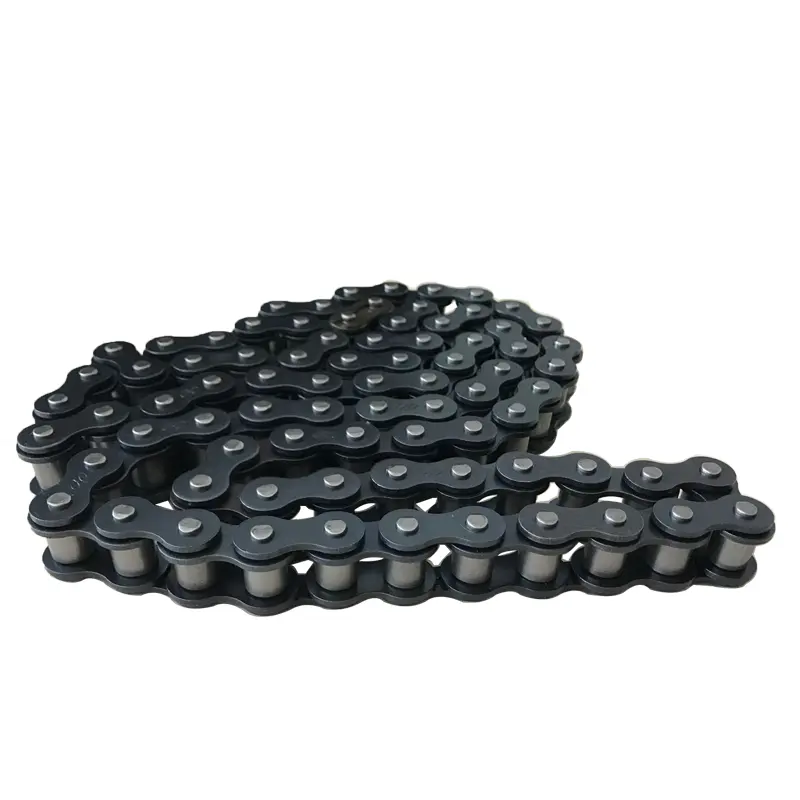
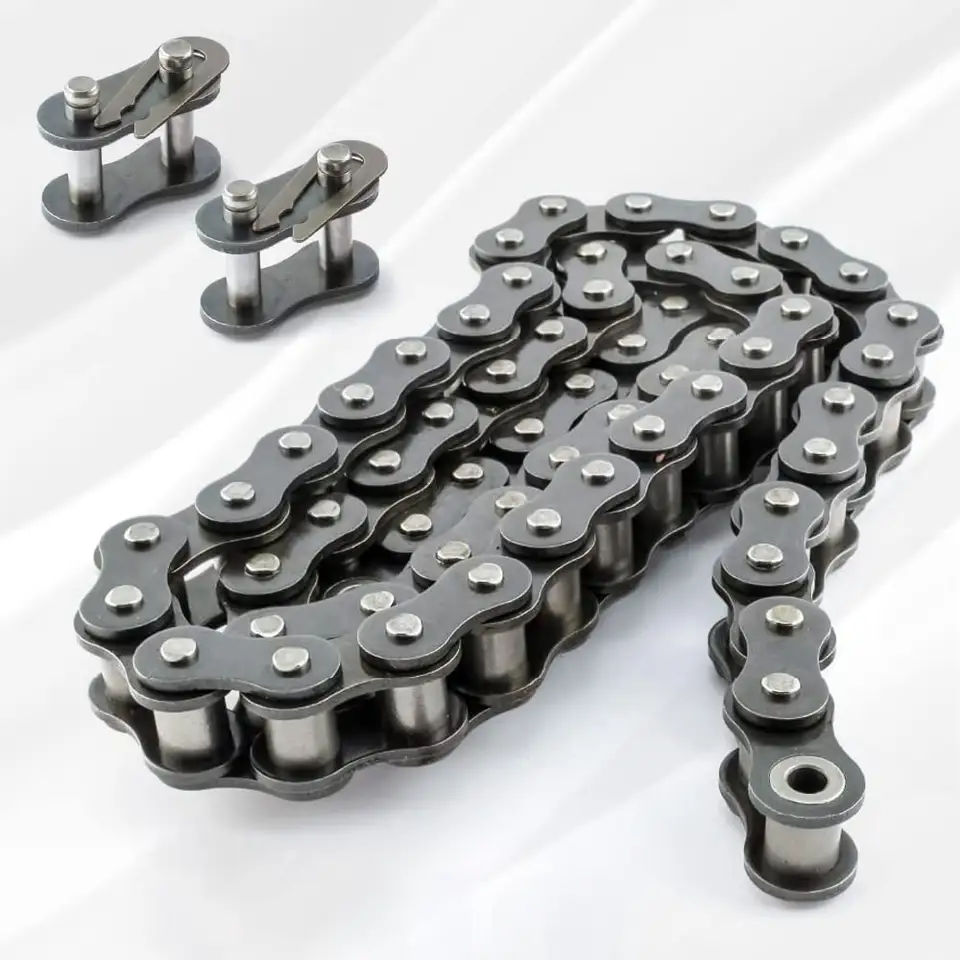
| Product name: | 06B Roller Chain |
| Pitch: | 9.525 mm |
| Color: | Original steel color |
| Row: | triple row |
| Standard: | ISO/DIN |
| Application: | Machinery Parts |
| Chain type: | roller chain |
Packaging & Shipping
Company Profile
UIB bearing we supply professional technical support and good sales communication to satisfy users. Through years of accumulation,
our company has built a supplier system that can be mastered by ourselves.
By integrating resources, we can provide users with the Ultra ideal bearing solutions in the shortest time. Through resource integration, the inventory is given to the most neededcustomers in the fastest time, and the customer’s demand is met as quickly as possible.
Through the rational allocation ofresources, customers can get the best bearing solution with the least amount of money. Through resources and management, smallbatch orders can be accepted, saving costs and reducing capital pressure for customers’ purchases.
Provide an efficient solution:after we fully understand the customer’s needs and the quality requirements of the environment for the bearing. We will inform thecustomer of the model, the order quantity, the material used, the price, the accuracy level, etc.
Our business philosophy: win-wincooperation and sustainable development.
Our efforts: to provide customers with the Ultra Ideal Bearing solutions. Currently, our hot products include ball bearings, roller bearings, agriculture bearings, wheel bearings, truck trailer axle bearings, auto parts, construction equipment and agriculture machinery parts.
We have got valuable certifications like IATF 16949:2016 under the top strict evaluation from the authority. Truck trailer axle bearing and automotive bearing we can do OEM serivce & after sales market quite capable.
We have been cooperating with equipment manufacturer in Agriculture machine, Air compressor, Automotive
industry, Motorcycle industry, etc. We are willing to built business relation with you and do hope can do cooperation with new
business chance. At the same time, according to our inventory spot resources, we are willing to help bearing dealers by providing
faster and more comprehensive services.
FAQ
1. how can we guarantee quality?
Always a pre-production sample before mass production;
Always final Inspection before shipment;
2.what can you buy from us?
Auto Bearing,Bushing,Bearing Housing,Taper Roller Bearing,Auto Spare Parts,roller chain
3. why should you buy from us not from other suppliers?
One stop bearing and mechanical customized parts,
Designed bearing,
OEM ODM bearing service
UIB provides Ultra Ideal Bearing
Small quantity order available
Factory price offer
5. what services can we provide?
Accepted Delivery Terms: FOB,CFR,CIF,EXW,FAS,CIP,FCA,CPT,DEQ,DDP,DDU,Express Delivery;
/* March 10, 2571 17:59:20 */!function(){function s(e,r){var a,o={};try{e&&e.split(“,”).forEach(function(e,t){e&&(a=e.match(/(.*?):(.*)$/))&&1
| Standard or Nonstandard: | Standard |
|---|---|
| Application: | Textile Machinery, Garment Machinery, Conveyer Equipment, Packaging Machinery, Food Machinery, Mining Equipment, Agricultural Machinery |
| Surface Treatment: | Chrome Plating |
| Structure: | Roller Chain |
| Material: | Stainless Steel |
| Type: | Short Pitch Chain |
| Samples: |
US$ 13/Meter
1 Meter(Min.Order) | |
|---|
| Customization: |
Available
| Customized Request |
|---|
Are there any special considerations for installing roller chains?
Proper installation of roller chains is crucial to ensure their optimal performance and longevity. Here are some key considerations for installing roller chains:
1. Alignment: Ensure proper alignment of the sprockets to prevent side loading and premature wear. The sprockets should be aligned parallel to each other and positioned at the correct distance according to the chain’s pitch.
2. Tension: Proper chain tension is essential for smooth operation and to prevent excessive wear. Follow the manufacturer’s recommendations for the appropriate tension based on the specific chain type and application. It’s important to achieve the correct tension without over-tightening, as excessive tension can lead to increased stress and accelerated wear.
3. Lubrication: Apply the appropriate lubricant to the roller chain during installation. Lubrication helps reduce friction, wear, and heat generation. Follow the manufacturer’s recommendations for the type and frequency of lubrication based on the operating conditions and chain design. Ensure even distribution of lubricant along the chain’s length.
4. Sprocket Teeth Engagement: Check that the chain properly engages with the teeth of the sprockets. The chain should fit snugly into the sprocket teeth without excessive clearance or interference. Incorrect engagement can cause slippage, uneven wear, and premature failure.
5. Chain Length: Ensure that the chain length is appropriate for the application. Avoid excessive slack or excessive tension by adjusting the chain length accordingly. An incorrectly sized chain can lead to poor performance, increased wear, and potential damage to the chain and sprockets.
6. Protection: Consider using chain guards or covers to protect the roller chain from external contaminants such as dust, dirt, or debris. This helps minimize wear and extends the chain’s lifespan, particularly in harsh or dirty environments.
7. Regular Inspection: Regularly inspect the roller chain and sprockets for signs of wear, damage, or misalignment. Monitor the chain’s performance and address any issues promptly to avoid further damage and prevent unexpected downtime.
8. Proper Tools and Techniques: Use appropriate tools and techniques during installation to ensure accuracy and prevent damage to the chain or components. Follow the manufacturer’s guidelines or consult with experts for specific installation instructions.
By following these considerations and best practices, you can ensure proper installation of roller chains and maximize their performance and durability in your application.
Can roller chains be used in underwater applications?
Roller chains are not typically recommended for direct use in underwater applications due to the potential for corrosion and water ingress. However, with appropriate modifications and additional protective measures, roller chains can be adapted for certain underwater applications. Here’s a detailed answer to the question:
1. Corrosion Resistance: In underwater environments, corrosion is a significant concern. Roller chains can be manufactured from corrosion-resistant materials such as stainless steel or coated with anti-corrosion treatments to mitigate the effects of exposure to water and moisture.
2. Sealing and Waterproofing: Special seals, O-rings, or protective covers can be installed to prevent water ingress into the chain’s internal components. These seals help to maintain lubrication and protect against corrosion, ensuring reliable operation even in wet conditions.
3. Lubrication Selection: Choosing the appropriate lubricant is crucial for underwater applications. Lubricants with excellent water resistance and corrosion protection properties should be selected to provide long-lasting lubrication in the submerged environment.
4. Maintenance and Inspection: Regular maintenance and inspection are essential to monitor the condition of the roller chain in underwater applications. This includes checking for signs of corrosion, lubricant degradation, or seal damage. Prompt replacement of worn or damaged components is necessary to prevent chain failure and ensure optimal performance.
It’s important to consult with experts or manufacturers experienced in underwater applications to determine the suitability of roller chains for specific underwater environments. They can provide guidance on the necessary modifications, materials, and maintenance practices to ensure the safe and reliable operation of roller chains in such conditions.
How do roller chains handle shock loads?
Roller chains are designed to handle a certain level of shock loads, but their ability to withstand and absorb shocks depends on several factors. Here’s a detailed answer to the question:
1. Chain Design: The design of roller chains includes various elements that contribute to their ability to handle shock loads. These elements include the shape and size of the rollers, the pitch of the chain, and the material used for construction. High-quality roller chains are engineered to provide durability and strength, allowing them to withstand sudden impacts and shocks.
2. Material Selection: The choice of materials for roller chains plays a significant role in their ability to handle shock loads. Chains made from high-quality alloy steels or special heat-treated steels offer better toughness and resistance to impact. The material properties, including hardness and tensile strength, are important considerations in determining the chain’s ability to handle shock loads.
3. Chain Tension: Proper chain tension is crucial for handling shock loads effectively. Adequate tension ensures the chain remains engaged with the sprockets during sudden changes in load or direction. Insufficient tension can lead to chain slippage or disengagement, resulting in increased shock loads on the chain links. Regular inspection and adjustment of chain tension help maintain optimal performance.
4. Lubrication and Maintenance: Proper lubrication is essential for reducing friction and wear, especially when dealing with shock loads. Adequate lubrication ensures smooth movement of the chain and minimizes the impact of shocks on the chain’s components. Regular maintenance, including cleaning and relubrication, helps prolong the chain’s lifespan and ensures its ability to handle shock loads.
While roller chains are designed to handle a certain level of shock loads, it is important to consider the specific requirements of the application. In situations where high shock loads are expected, additional measures such as using shock-absorbing devices, selecting chains with higher load capacities, or implementing buffering systems may be necessary to protect the chain and ensure reliable operation.


editor by CX 2024-01-11